
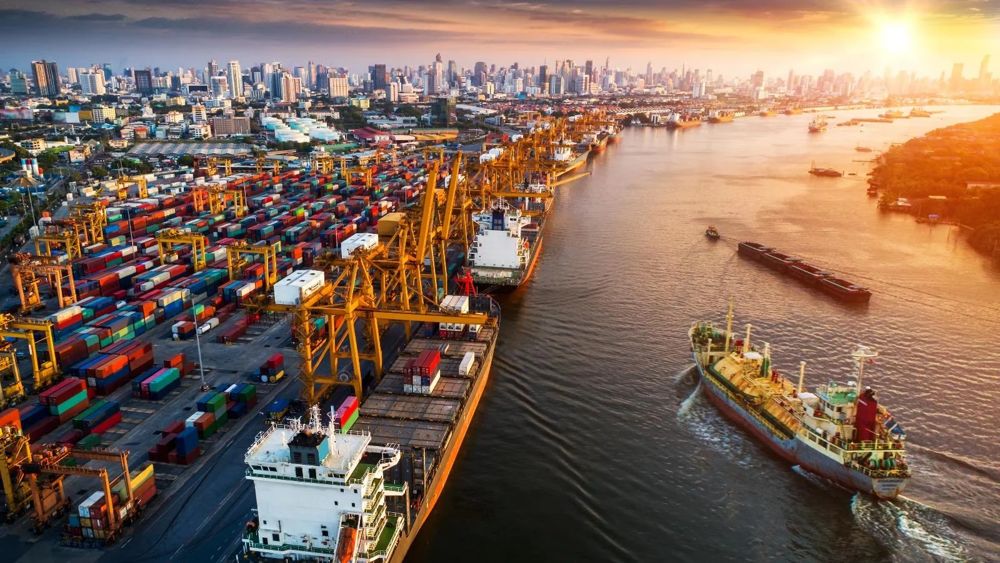
Since late 2023, attacks on commercial shipping in the Red Sea and Bab-el-Mandeb Strait have pushed a large share of container traffic away from the Suez Canal and around the Cape of Good Hope — adding roughly 10–14 days and thousands of nautical miles to Asia-Europe voyages. Suez Canal Authority data has shown transit volumes down sharply compared with pre-crisis levels, with knock-on effects for freight rates, delivery schedules, and insurance costs worldwide.
Why Overland Corridors Are Back in the Conversation
Every extended maritime disruption revives interest in overland alternatives, and this one is no exception. Corridors that reduce reliance on a single chokepoint — rail links, cross-border trucking networks, and dry ports — offer shippers a hedge against exactly this kind of disruption. It is the same reasoning behind IOEC's work on the CPEC corridor and the emerging Central Asian connectivity routes: diversifying how goods move reduces the cost of any single route going down.
None of this means overland corridors replace maritime trade — shipping still carries the overwhelming majority of global freight by volume, and will continue to. What changes is the calculus for specific goods and routes where time-sensitivity or chokepoint risk make an overland or multimodal option worth the premium.
What It Means for Pakistan
Gwadar's position on the Arabian Sea, and Pakistan's road and rail links north through the CPEC route, sit outside the Red Sea chokepoint entirely — part of why the Balochistan & Gwadar corridor has drawn renewed attention from partners looking to de-risk their logistics networks.
Sources & Further Reading
For up-to-date shipping and trade data, see UNCTAD Transport & Trade Logistics and the Reuters Business shipping coverage.