
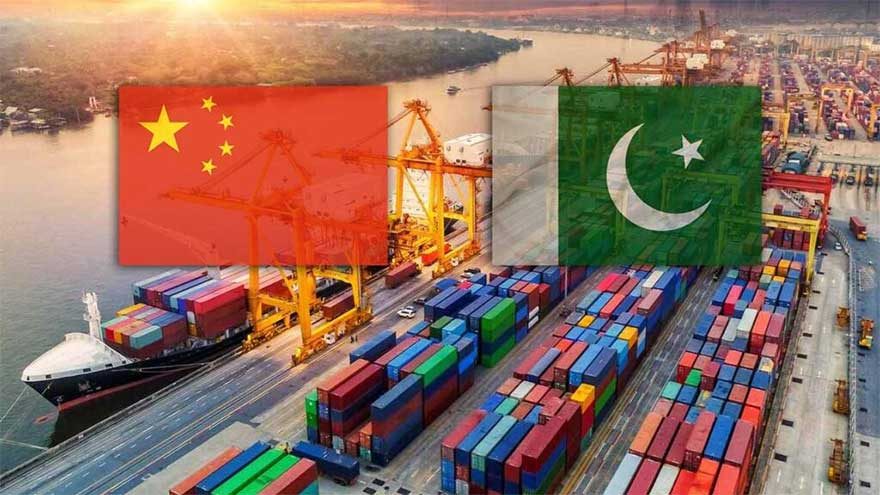
China is Pakistan's largest trading partner, and trade between the two countries has grown steadily since the China–Pakistan Free Trade Agreement (CPFTA) took effect in 2007. For Pakistani exporters and Chinese buyers alike, the question now is how to turn tariff preferences into real, repeat business.
- Bilateral trade reached roughly $23 billion in 2024, but Pakistani exports to China were only about $2.8 billion of that, according to Pakistan’s embassy in Beijing
- Pakistan’s exports to China rose 48.7% year on year to $1.55 billion in January–May 2026 (Chinese customs data), helped by copper shipments and the rice season
- About $2.16 billion of Pakistan’s 2024–25 exports flowed under FTA preferences
- Phase II of the agreement widened tariff-free coverage to around 75% of product lines, according to reports
What the China–Pakistan trade numbers show
The headline picture is a large, imbalanced relationship. China exported about $19.6 billion of goods to Pakistan in 2024, while Pakistan's exports to China remain a fraction of that. The encouraging signal is momentum: Chinese customs data show Pakistani exports up almost 49% in the first five months of 2026, with copper, cotton yarn, seafood, sesame, ores, and rice among the main items. Our guide to mining in Pakistan explains where the copper comes from.
Using the free trade agreement
The CPFTA was the first free trade agreement China signed with a South Asian country, and its second phase expanded zero-duty access. Preferences only help exporters who meet the conditions: correct certificates of origin, product standards, and, for food, sanitary and phytosanitary requirements. Logistics and payment terms often matter as much as tariffs.
B2B partnerships beat one-off deals
Sustainable trade is built on repeat relationships between companies. That is the idea behind the China–Pakistan B2B platform plan available in our Global Reach resources, which proposes sector-focused events, a member community, and project-based support for small and medium enterprises. Industrial partnerships also link to special economic zones and to the second phase of CPEC.
Practical steps for Pakistani exporters
- Identify products with tariff preferences and confirm current HS-code treatment with the relevant authorities.
- Meet Chinese quality, labeling, and food-safety requirements before shipping at scale.
- Build relationships through trade fairs, chambers, and trusted intermediaries rather than cold outreach alone.
- Plan for payment terms, currency, and logistics, including port options such as Gwadar.
Sources & further reading
See the Pakistan Embassy in Beijing's trade overview, APP's report on exports to China in early 2026, Profit on the CPFTA Phase II review, and the Ministry of Commerce. To get involved, see IOEC membership.