
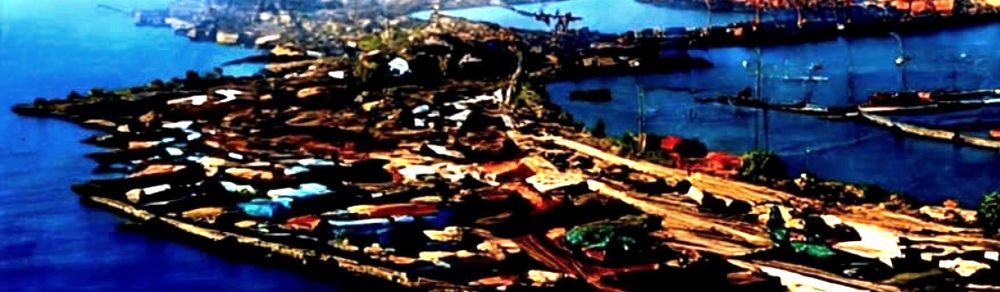
A long coastline, a deep-sea port, and rising global demand for seafood and marine services make the blue economy one of the corridor story's most overlooked opportunities.
- Balochistan's coastline runs roughly 700 km, according to IOEC's Balochistan proposal
- Value is created along the whole chain: landing sites, cold storage, processing, packaging, and export logistics
- Port services, boat building and repair, and coastal tourism add further opportunities
- Sustainability and export standards are conditions for success, not afterthoughts
More than fishing
Fishing is the visible part of a much larger marine economy. Fresh catch only becomes export value when it can be chilled quickly, processed to international standards, packed, and shipped reliably. Each step is a business opportunity — and a gap that investors and partners can help fill. Fisheries and food processing is one of the seven investment areas identified in the Balochistan proposal, alongside port and logistics, mining, agriculture, energy, real estate and tourism, and industrial zones.
Why the port matters
Cold-chain logistics are only as strong as the port that moves the cargo. Gwadar's position on the Arabian Sea and its free-zone status, as described in the proposal, create the basis for processing and re-export, while linked energy and water infrastructure — see our look at solar power in Balochistan — keeps facilities running. The same logic applies to agricultural exports, discussed in Global Food Security in a Fractured World.
Sustainability first
Marine resources are renewable only if they are managed carefully. Overfishing, habitat loss, and weak traceability can quickly erode both ecosystems and export access. Guidance from the FAO and the UN's Sustainable Development Goal 14 on life below water offers practical frameworks, and IOEC's own stated alignment with the SDGs makes responsible practice a requirement for the projects it supports.
Where partnerships help
Technology, financing, training, and market access are the typical missing pieces for coastal communities and small processors. Matching local operators with international partners is exactly what a corridor organisation exists to do — see how to get involved on our membership page.
Sources & further reading
See the FAO Fisheries and Aquaculture division, the World Bank's oceans and coastal economies program, and UN SDG 14.