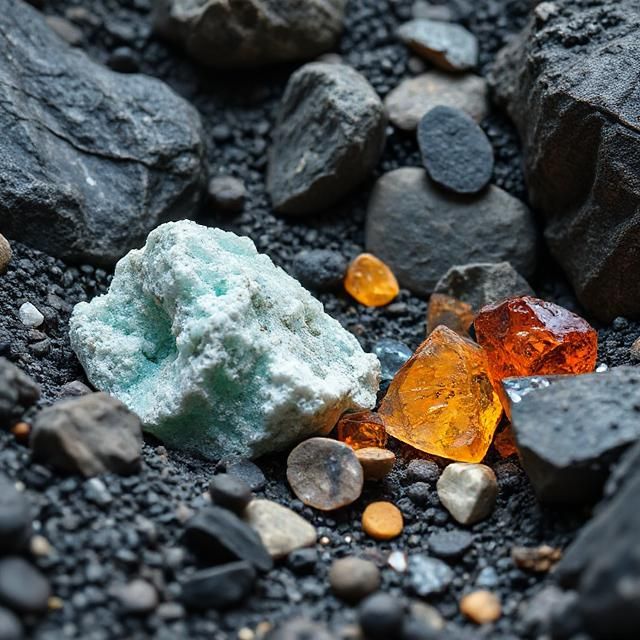
Balochistan holds some of Pakistan's most significant mineral resources — copper, gold, chromite, and coal among them — the same resource base highlighted in IOEC's Balochistan Economic Corridor Proposal. Turning that potential into lasting local benefit is a question of delivery, not geology.
- Reko Diq, in Chagai district, is described as one of the world's largest undeveloped copper-gold deposits
- Ownership: Barrick 50%, three Pakistani state-owned enterprises 25% combined, and the Government of Balochistan 25%
- Early works began in 2025; in April 2026 Barrick said an extended review and slower pace were likely to affect the timeline
- Value addition, skills, power, and transport links determine how much of the benefit stays local
Reko Diq in context
Reko Diq has been among the most closely watched resource projects in South Asia. Barrick's published project update describes a phased development, with a first phase designed to process around 45 million tonnes of mill feed a year, and international lenders including the IFC and the Asian Development Bank have been reported as supporting its financing. At the same time, Barrick said in April 2026 that an extended review and a slower development pace were likely to affect the project timeline, with the review assessing security, capital requirements, financing, scope, and schedule. Anyone planning around the project should follow company and government updates directly.
Beyond a single mine
A mineral economy is built on more than one deposit. Chromite, coal, and other resources, together with processing and manufacturing, create the supply chains that generate jobs and export value. Those chains depend on reliable power — a theme we explore in Solar Power in Balochistan — and on transport links through Gwadar Port and the wider CPEC network.
Responsible mining is part of the business case
Community benefit-sharing, environmental protection, local hiring, and skills training are increasingly decisive for project financing and long-term stability. The Balochistan proposal lists skills training and local employment generation among its priorities, and reports indicate the province's 25% stake in Reko Diq is funded by its partners, so Balochistan shares in royalties and dividends without contributing capital. How well those commitments translate into local outcomes will shape public support for the sector.
Sources & further reading
See Mining Weekly's Reko Diq project update, the IFC, Barrick, and the Geological Survey of Pakistan.