
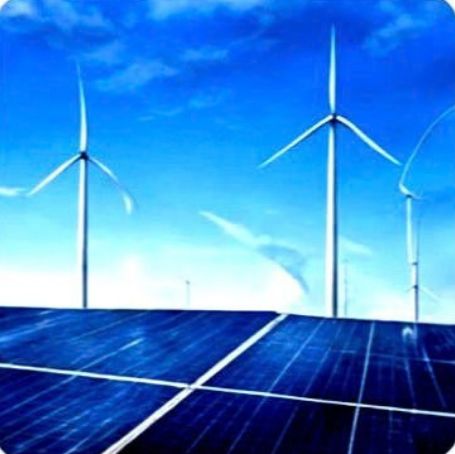
Pakistan sits in the so-called "sun belt," and few regions illustrate that better than Balochistan: vast open land, clear skies, and some of the highest solar irradiance levels in South Asia. As electricity costs, fuel imports, and climate commitments push countries toward cleaner power, the province is increasingly viewed as a frontier for utility-scale solar and wind — a theme at the heart of IOEC's Balochistan Economic Corridor proposal.
- Balochistan combines strong solar resource with large areas of low-density land
- Coastal and mountain-pass wind corridors add further renewable potential
- Distributed solar can reach remote communities that grid extension serves slowly
- Clean energy also supports mining, fisheries, and agriculture value chains
Energy as an Enabler of Every Other Sector
Reliable, affordable power is the quiet foundation of industrial growth. Cold storage for fisheries, processing for minerals and agriculture, water pumping and desalination, even digital connectivity — each depends on dependable electricity. That's why renewable energy sits alongside mining, logistics, and tourism in IOEC's list of priority investment sectors, rather than as a stand-alone topic.
Off-Grid and Distributed Solutions
In a province with scattered settlements across large distances, extending the national grid to every community is slow and costly. Rooftop and community-scale solar, solar-powered irrigation pumps, and mini-grids offer faster, lower-cost routes to electrification — and have become a major growth area across Pakistan more broadly as panel prices have fallen.
Challenges Worth Naming
Honest analysis matters. Grid integration, transmission capacity, financing costs, and long-term policy stability are real hurdles for any large renewable project, and local conditions — including security and land-use arrangements — need to be assessed project by project. Strong partnerships between investors, government, and local communities are what turn potential into operating capacity.
Further Reading
To go deeper, explore the International Renewable Energy Agency (IRENA), the International Energy Agency, and the Global Solar Atlas for resource data. This theme connects naturally with our pieces on global food security and Gwadar Port, where reliable energy underpins cold-chain and port operations.